
Tech
Inside the Quieter Revolution in the Laboratory
Slow, unglamorous replication work is doing more for medicine than any single breakthrough.

The assumptions that organised the last three decades of global life — open trade, predictable alliances, and the quiet confidence that integration was irreversible — are being revised in public, in real time, and without a settled replacement.
What is striking is not the speed of the change but its unevenness. In some capitals, the shift arrives as strategy: industrial policy, export controls, new corridors of trade. In others, it arrives as weather — something that happens to you, that you plan around, that reorders budgets and coalitions before anyone gives it a name.
The grammar of hedging
The result is a world in which every actor is hedging, and hedging has become the dominant grammar of statecraft. Middle powers now bargain with several patrons at once, extracting terms that would have been unthinkable a decade ago.
“Hedging has become the dominant grammar of statecraft — and redundancy is expensive.”
That bargaining is not costless. Hedging economies must build redundancy, and redundancy is expensive. Someone pays for the second port, the parallel supplier, the strategic reserve. Increasingly, that someone is the household budget.
What durability cannot supply
None of this amounts to collapse. Institutions are more durable than the commentary that surrounds them, and the machinery of cooperation continues to grind along in rooms nobody photographs. But durability is not the same as direction, and direction is precisely what is missing.
The question for the coming decade is not whether a new order emerges — one always does — but who is present in the room when its terms are written, and whose interests are recorded only as an afterthought.
Dr. Neha Bhatt writes for Social Winds on tech and public life.
More from Social Winds
Geopolitics
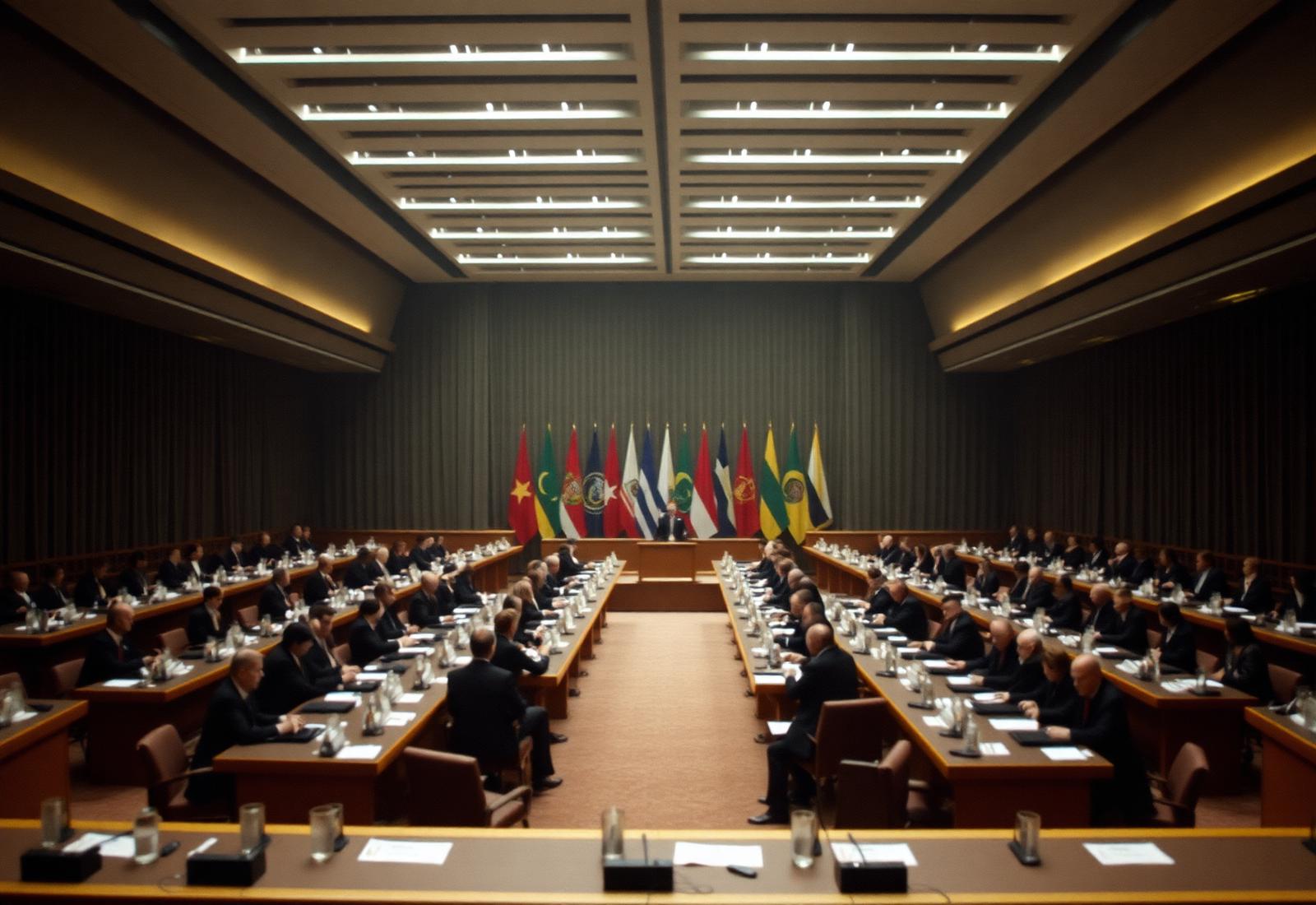
The New Power Map Is Being Drawn in Unexpected Places
A changing global order is reshaping politics, trade, technology, and influence — and the old centres of gravity are no longer holding.

The Big Story
The World Is Entering a New Age of Uncertainty
The geopolitical assumptions that shaped the last generation are beginning to disappear. What replaces them is being decided now.
Geopolitics
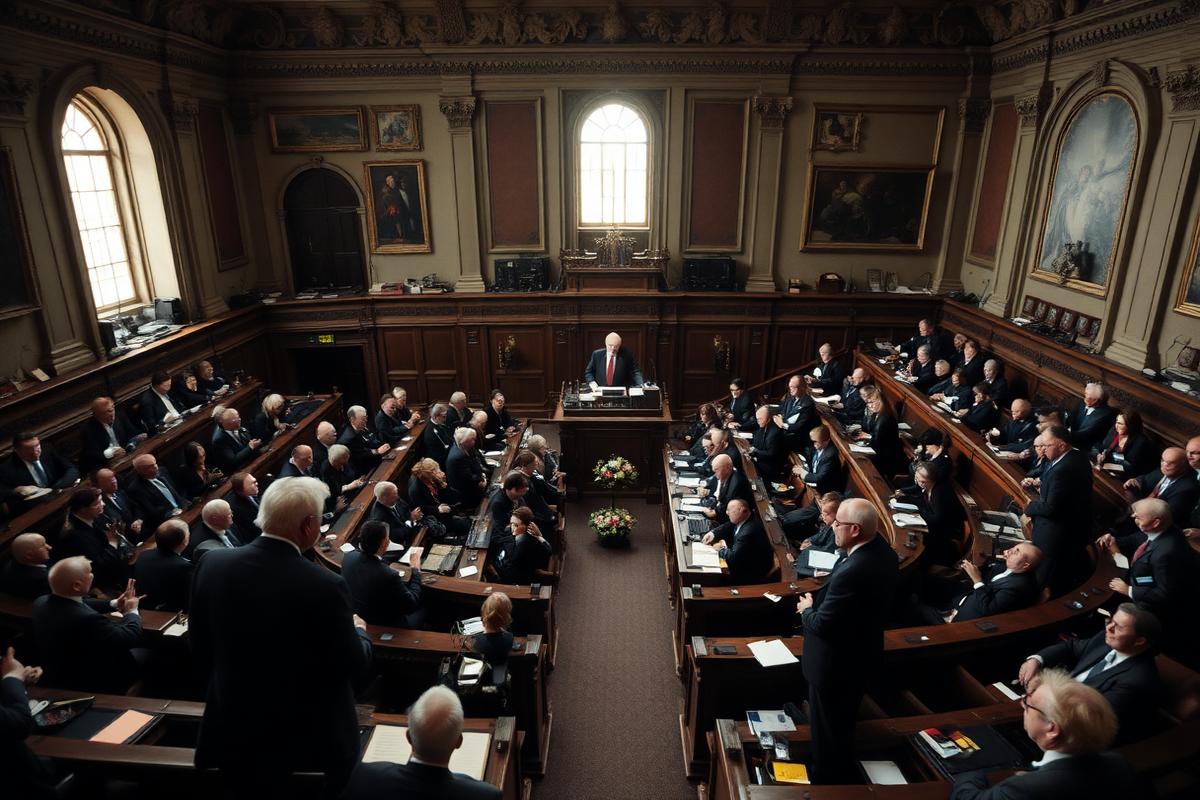
A New Era of Global Competition Has Begun
The old assumptions about power, trade, and diplomacy are changing faster than expected.
Geopolitics
The Quiet Realignment of the Global South
Middle powers are learning to bargain with everyone at once.
Subscribe
Read more. Understand more.
Get unlimited access to Social Winds journalism, analysis, investigations, and ideas.